




- Press release
A new species of hoverflies discovered online thanks to amateur naturalist
Image: Franklin Howley-Dumit Serulle1/29- -
- Education / Training
- Białowieża
International Summerschool Biodiversity Monitoring
Image: ZHAW2/29- Press release
Gesamtschau Biodiversität: Zustand ungenügend, aber einzelne positive Entwicklungen seit 2010
Image: SCNAT / tnt-graphics3/29- News
Diese Museen stehen auf der Shortlist für den Prix Expo 2025
Image: SCNAT4/29- News
Neues Buch: «Alpine Ökosysteme im Schweizerischen Nationalpark – Die Seenplatte Macun»
Image: SNP/Hans Lozza, 20125/29- 2025
- Report
Wasserlebewesen unter der Lupe
Image: Rainer Kühnis6/29- News
Das Arten-ABC: ein Pilot-Projekt in Entwicklung
Image: Ralf Assmann7/29- News
3D Imaging for Studying Without Touching
Image: Christian Felsner8/29- Press release
Alpine stonefly becomes “New Species of the Year”
Image: Carlalberto Ravizza9/29- News
Prix Moulines goes to Raymond Guenin
10/29- 2024
- Magazine
HOTSPOT 50/24 Visionen für die Biodiversität
Image: Forum Biodiversität Schweiz11/29- News
Bericht "Insektenvielfalt in der Schweiz" jetzt auf Italienisch verfügbar
Image: Monika Rohner12/29- 2024
- Magazine
HOTSPOT 49/24 Biodiversität in der Berufs- und Weiterbildung
Image: Forum Biodiversität Schweiz13/29- Press release
Die Schweiz hat plötzlich 200 neue Wespenarten
Image: Naturhistorisches Museum Basel14/29- News
Prix Moulines goes to Christian Roesti
15/29- News
Klimawandel verändert die Insektenfauna in der Schweiz
Image: M. Bolliger16/29- Press release
Verborgene Schätze der Natur im Scheinwerferlicht
Image: Naturmuseum Solothurn17/29- Press release
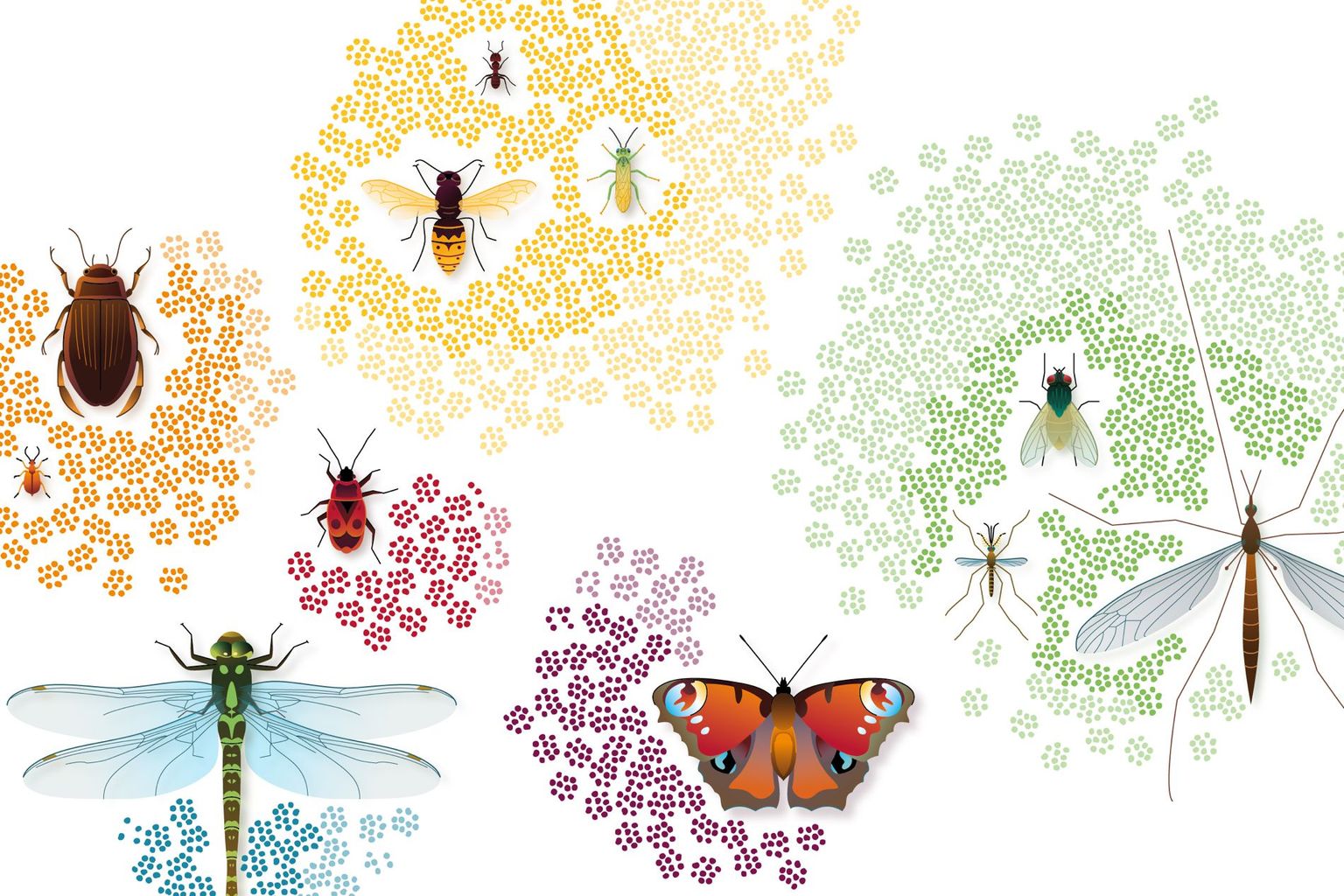
Immer stiller und eintöniger: Erster umfassender Bericht zum Zustand der Insekten in der Schweiz
Image: Monika Rohner18/29- 2021
- Article
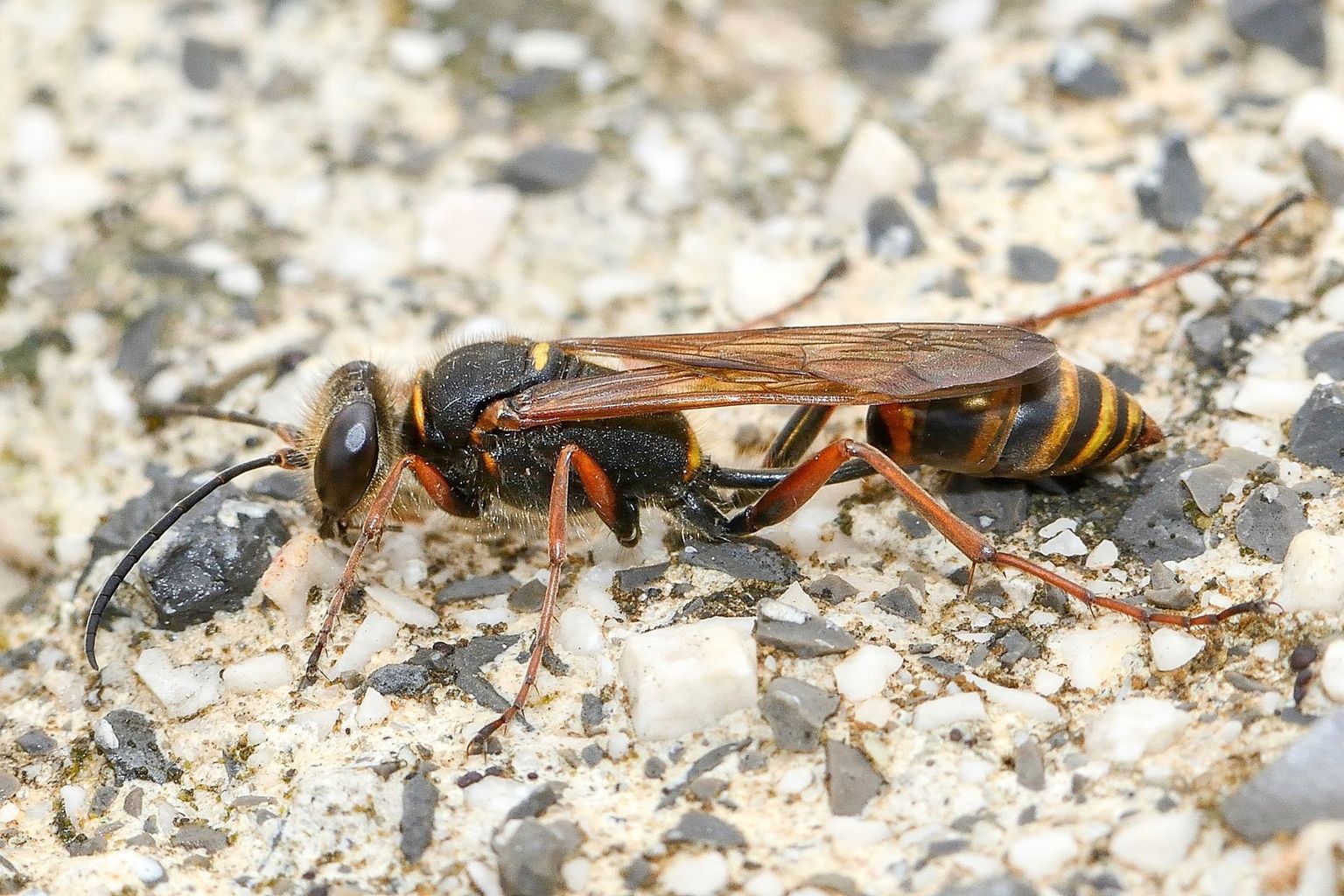
Die Töpferwespe im Haus
Image: David Genoud19/29- 2021
- Newsletter
Informationsdienst Biodiversität Schweiz IBS Nr. 156
Image: Forum Biodiversität Schweiz20/29- Press release
Klima und Biodiversität gemeinsam schützen
Image: Oliver Born21/29- News
Prix Moulines goes to Rudolf Bryner
22/29- 2021
- Book
Handbook on natural history collections management
Image: Swiss Academy of Sciences (SCNAT) • Platform Biology23/29- News
Schneefliegen (Chionea) im Auengebiet Selhofenzopfen
Image: © Sarah Rohr24/29- News
Die entomologischen Sammlungen werden digitalisiert!
25/29- News
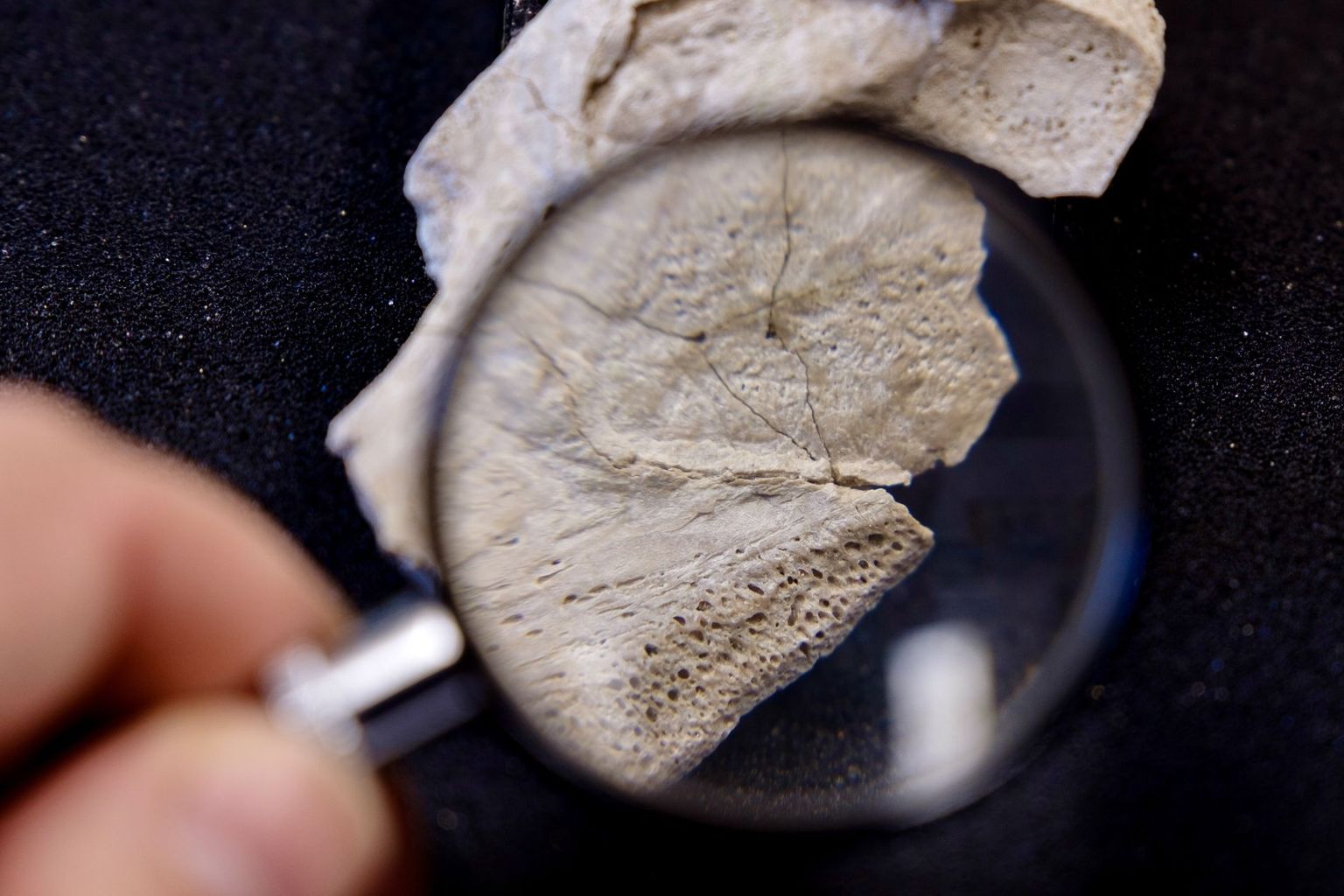
Back to the Eocene: Ichneumonid wasp palaeo-taxonomy
26/29- News
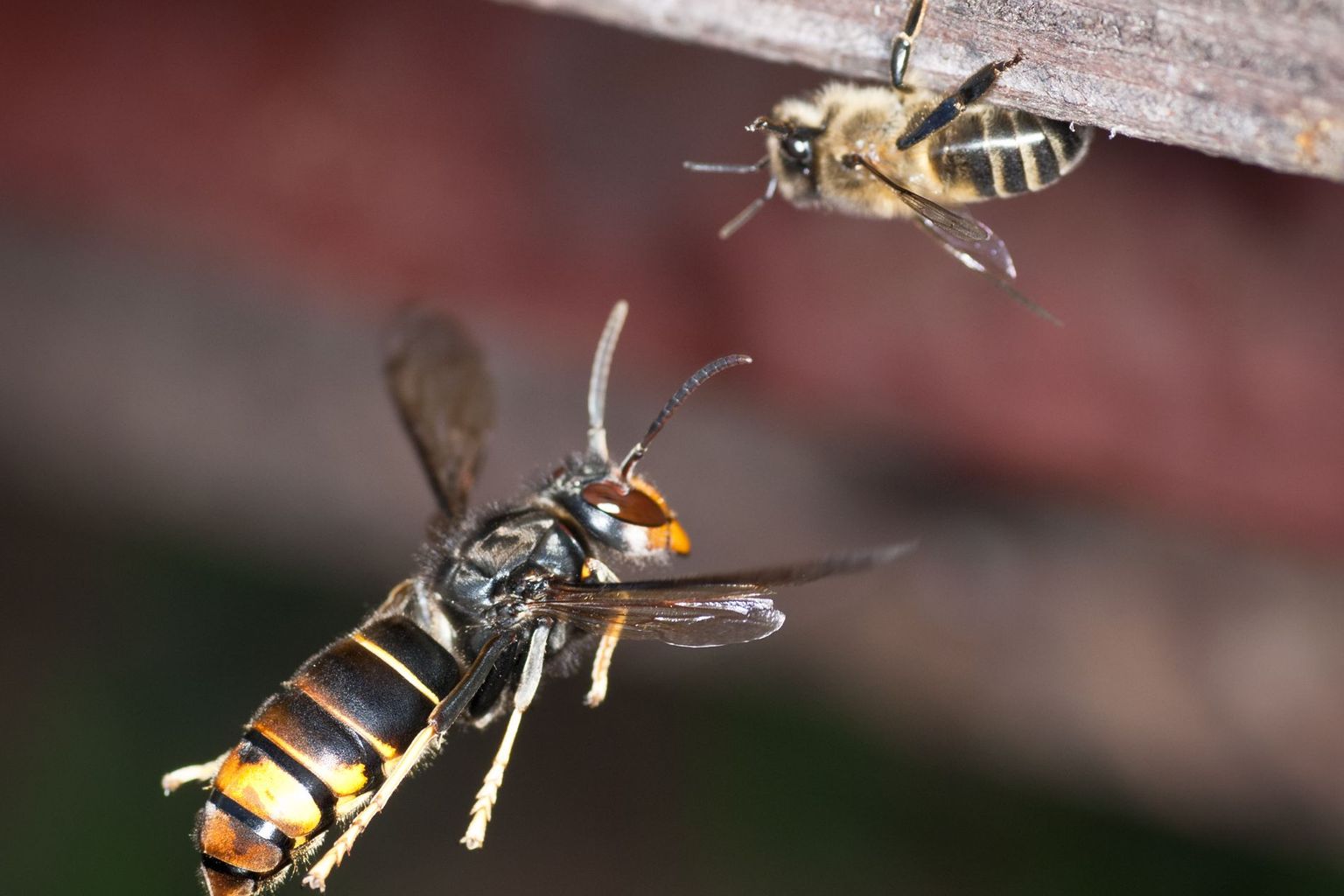
The Asian hornet reaches Switzerland
Image: Danel Solabarrieta, www.flickr.com, CC BY-SA 2.027/29- News
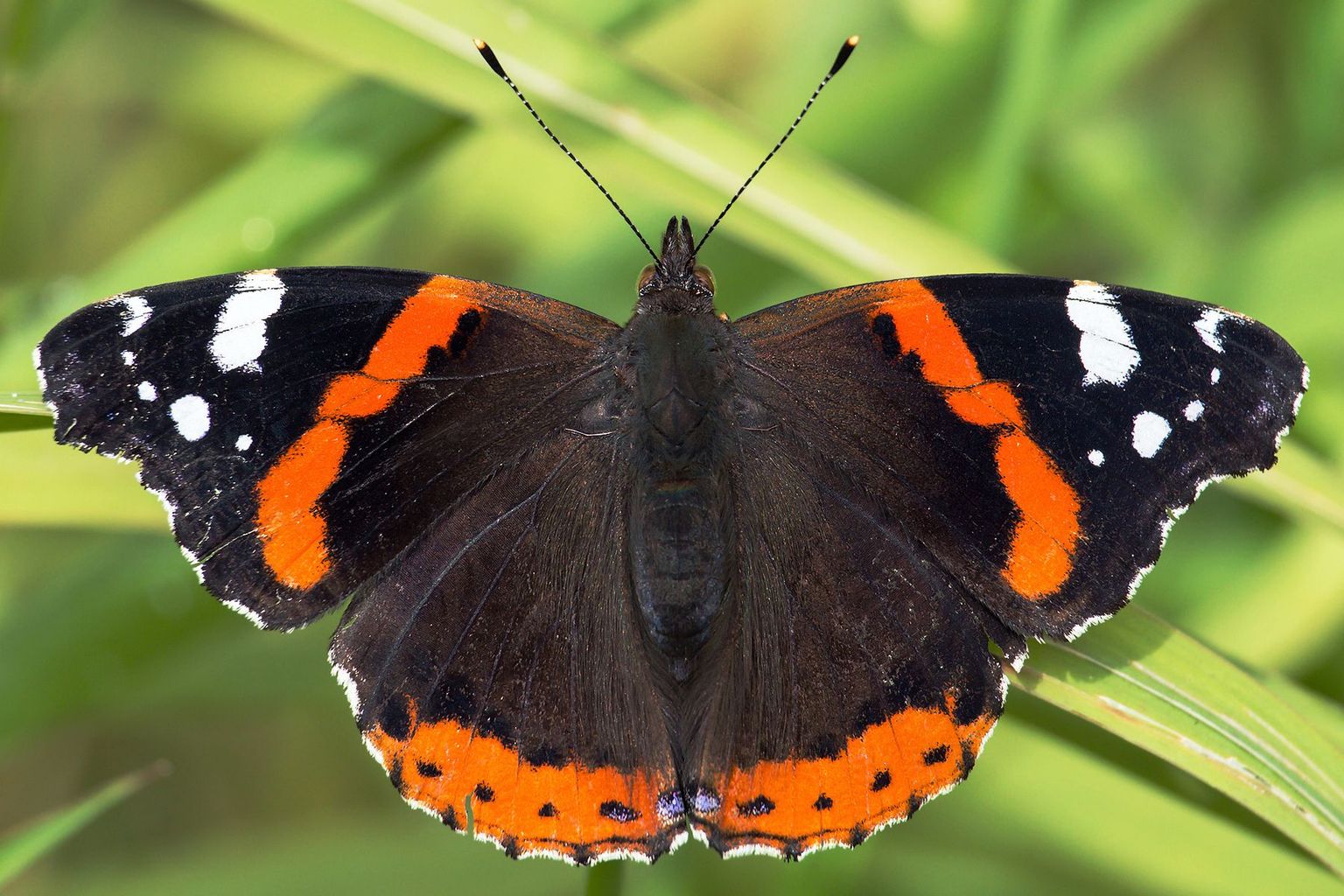
Farbmarkierte Admirale melden!
Image: Chr. Fischer, wikimedia, CC BY-SA 4.028/29- News
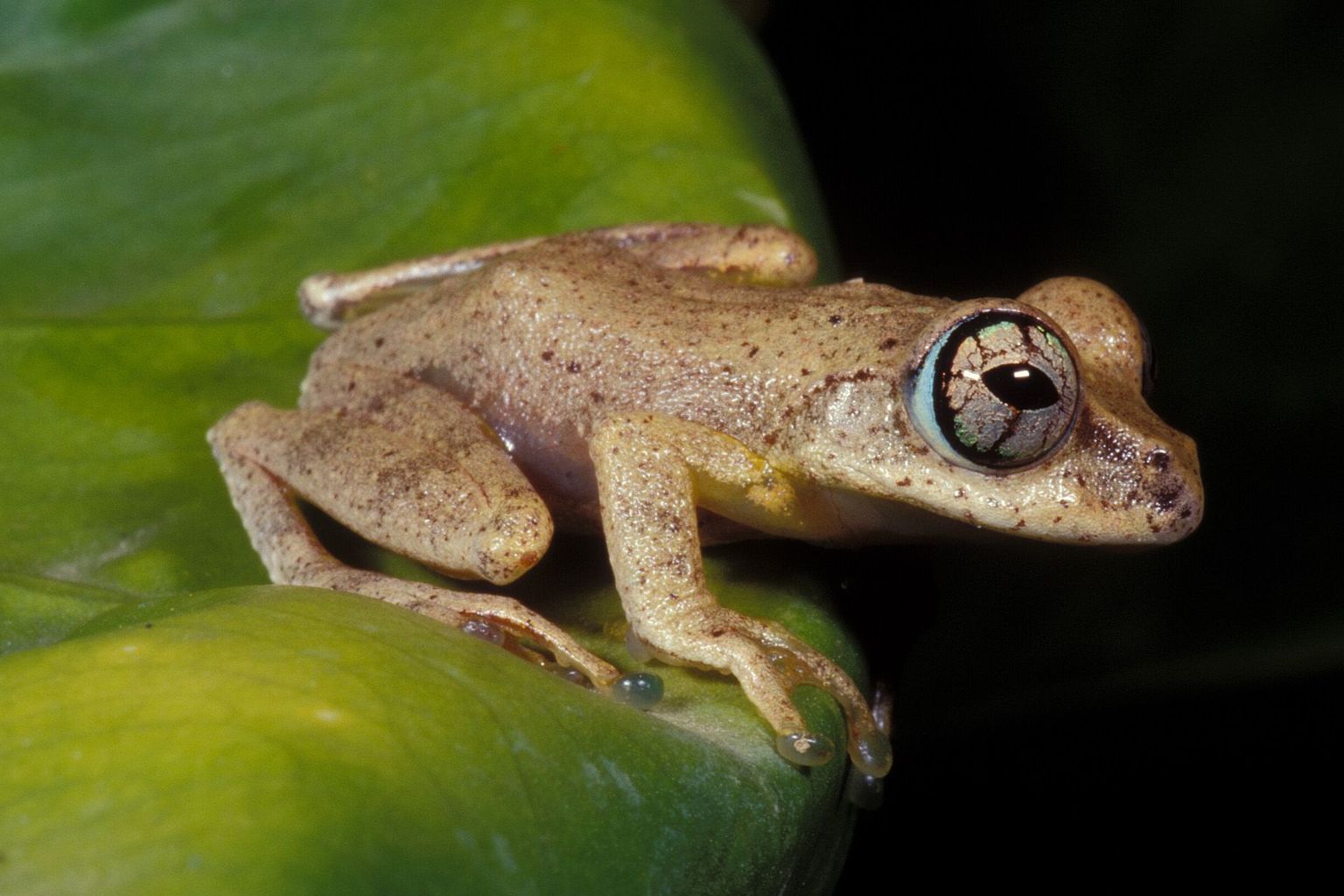
200 neue Arten – 200 Jahre Biodiversitätsforschung
Image: Glaw, Vences, Andreone & Vallan, 200129/29
NEWS:
> 25.03.26: new specialist group of the SES on arachnids
> 07.03.26: The wart-biter (Decticus verrucivorus) (Tettigoniidae) was named Insect of the Year 2026
> 24.02.26: programme of entomo.ch 2026 (took place at the Natural History Museum in Berne on 6th & 7th March 2026)
Digitisation projects: Numerous entomological journals are now available via www.e-periodica e.g., most recent additions: Mitteilungen der Entomologischen Gesellschaft Basel (and its predecessor journals), Insecta Helvetica Catalogus and Insecta Helvetica Fauna
Insects — Boundless diversity
Insects are by far the most diverse group of living organisms. There are over 30’000 species in Switzerland, or approximately ten times more insects than plants! In addition to their spectacular diversity, insects have a significant impact on our environment and daily lives.
On this website, we regularly publish insect news from all fields of research. Let yourself be inspired!
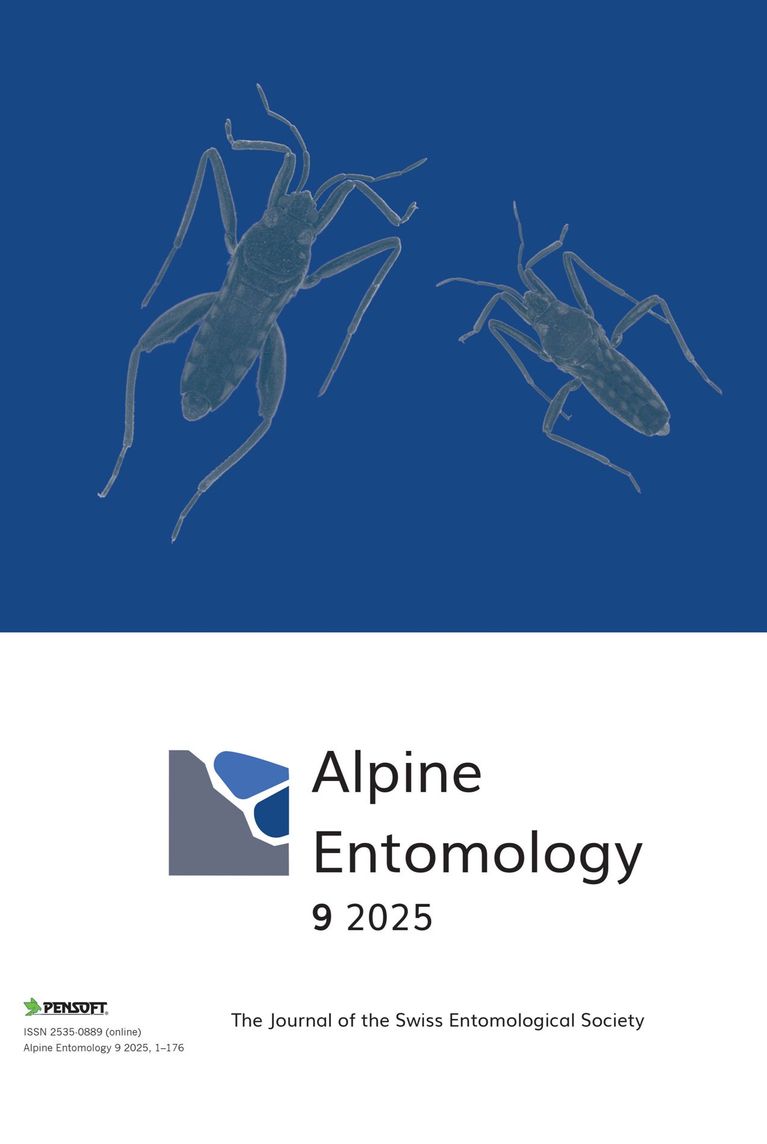
The Journal of the Swiss Entomological Society (SES)!
Alpine Entomology publishes original research articles, reviews and short communications on insects and other arthropods from mountainous regions all over the world.
Completed volumes can also be found on e-periodica.ch
Publications


Contact
Swiss Entomological Society (SEG)
c/o Dr. Dominique Mazzi
Agroscope Cadenazzo
A Ramél 18
6593 Cadenazzo
Switzerland
New members are always very welcome:

Insects account for the majority of animal species. Beyond this diversity, insects impress due to various remarkable facets of their biology, as well as far-reaching interactions with other organisms. Insects provide key ecosystem services, and are of central importance for humans.
Insect species are currently endangered worldwide. It has hence become more important than ever to understand more about the diversity, evolution, distribution and ecology of these fascinating animals.
Since the founding of the society in 1858, the SES has encouraged the study of insects through the publication of the “Fauna Helvetica” book series and the journal “Alpine Entomology”, the organization of annual meetings and the support of various research groups. All of these activities have the same objective: to create an active network of entomologists and other entomologically interested people.
Become a member of the Swiss Entomological Society today!
— Dominique Mazzi
President of the Swiss Entomological Society